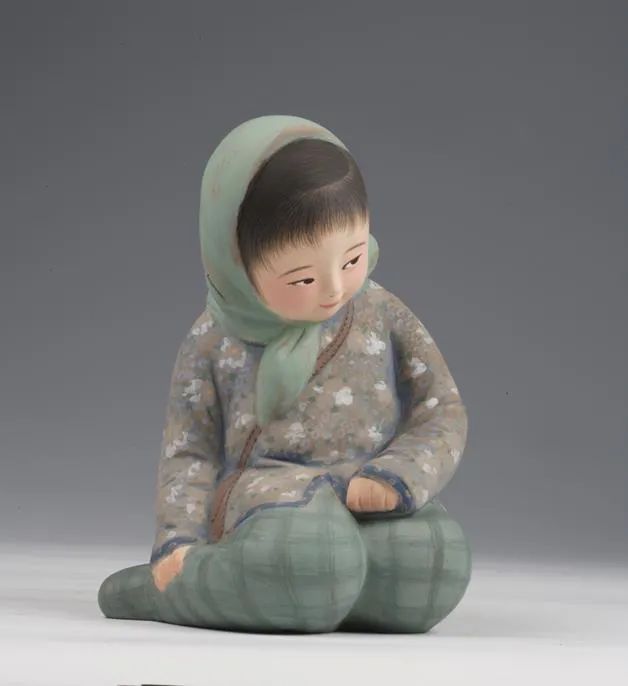
Clay Figure Zhang
Introduction
Clay Figure Zhang, also known as Niren Zhang, is a traditional Chinese art form originating from Tianjin, China. This craft, which involves the creation of lifelike clay figurines, was founded by Zhang Mingshan during the late Qing Dynasty (1644-1911). Over the years, it has become a prominent symbol of Chinese intangible cultural heritage, celebrated for its intricate craftsmanship and vivid realism. The art form is named after its creator, Zhang Mingshan, whose works were so lifelike that they gained widespread recognition and admiration. Today, Clay Figure Zhang continues to thrive as a cultural treasure, blending traditional techniques with modern innovations to appeal to contemporary audiences.
History
The history of Clay Figure Zhang dates back over 200 years to the late Qing Dynasty. Zhang Mingshan (1826-1906), the founder of this art form, was renowned for his ability to craft clay figurines that captured the essence of human expressions and gestures. Combining traditional Chinese clay sculpting techniques with Western artistic influences, Zhang Mingshan created lifelike figurines that gained immense popularity and established a unique artistic legacy.
The craft was passed down through generations, with each inheritor contributing to its preservation and evolution. Over time, Clay Figure Zhang became a significant part of Tianjin's cultural identity. The art form was officially recognized as a national intangible cultural heritage, highlighting its importance in China's artistic and cultural landscape.
In modern times, the art form has been showcased in exhibitions and cultural events, such as the National Art Museum of China in Beijing, where nearly 40 artworks by masters Yang Zhizhong and Chen Yiqian were displayed. These exhibitions demonstrate the enduring appeal and artistic excellence of Clay Figure Zhang, ensuring its relevance in contemporary society.
Characteristics
Clay Figure Zhang is celebrated for its realism and expressive artistry. The figurines are meticulously crafted to capture the physical form, facial expressions, and intricate details of their subjects. This attention to detail gives the sculptures a lifelike quality that sets them apart from other forms of clay art.
The art form is also known for its ability to convey emotions and narratives. Each figurine tells a story, whether it represents historical figures, mythological characters, or scenes from everyday life. The combination of realism and storytelling makes Clay Figure Zhang a powerful medium for preserving and sharing Chinese culture and traditions.
In addition to its traditional roots, Clay Figure Zhang has embraced contemporary elements to appeal to modern audiences. For example, Zhang Yu, the sixth-generation inheritor of the craft, has created playful sculptures like "Money on Horseback," which blend traditional techniques with modern aesthetics. This fusion of old and new ensures that the art form remains relevant and accessible to younger generations.
Techniques
Materials
The materials used in Clay Figure Zhang are carefully selected to ensure the quality and durability of the figurines. The primary material is a special type of clay that is pliable and easy to shape. This clay is prepared through a meticulous process to achieve the desired consistency and texture.
In addition to clay, artists use various tools and pigments to enhance the details and colors of the figurines. The pigments are often derived from natural sources, ensuring vibrant and long-lasting hues. The combination of high-quality materials and skilled craftsmanship results in figurines that are both visually stunning and enduring.
Crafting Process
The creation of a Clay Figure Zhang figurine involves a series of intricate steps, each requiring precision and expertise. The process typically takes several months to complete and includes the following stages:
-
Clay Preparation: The clay is prepared by kneading and refining it to achieve the desired consistency. This step is crucial for ensuring the pliability and workability of the material.
-
Modeling: The artist shapes the clay into the desired form, paying close attention to proportions, details, and expressions. This stage requires a deep understanding of anatomy and artistic composition.
-
Airing: The modeled figurine is left to air-dry for a specific period. This step helps to remove moisture from the clay and prevent cracking during firing.
-
Firing: The dried figurine is fired in a kiln at high temperatures to harden the clay. This step transforms the fragile clay into a durable ceramic material.
-
Painting: Once the figurine is fired, it is painted with vibrant pigments to enhance its appearance. The painting process involves multiple layers and intricate detailing to achieve a lifelike finish.
-
Finishing Touches: The final step involves adding any additional details or embellishments to complete the figurine. This may include applying a protective coating to preserve the colors and texture.
Modern Development
In recent years, Clay Figure Zhang has undergone significant development to adapt to changing cultural and artistic landscapes. Artists like Zhang Yu have played a pivotal role in modernizing the craft while preserving its traditional essence. By incorporating contemporary themes and aesthetics, they have made the art form more appealing to younger audiences.
Educational initiatives have also contributed to the revival of Clay Figure Zhang. Zhang Yu has visited numerous schools in Tianjin, teaching over 4,000 students about the craft and encouraging hands-on participation. These efforts have helped to cultivate a new generation of enthusiasts and practitioners, ensuring the continuity of the art form.
Exhibitions and cultural events have further elevated the profile of Clay Figure Zhang. For instance, the Traditional Chinese Culture Museum in Beijing showcased nearly 160 clay sculptures depicting the evolution of Chinese fashion. Such events highlight the versatility and cultural significance of the art form, attracting both domestic and international audiences.
The integration of Clay Figure Zhang into Tianjin's cultural tourism has also contributed to its modern development. The Clay Figurine Zhang Art Gallery, located in the historical Tongqingli complex, offers visitors an immersive experience through exhibitions and workshops. This approach not only promotes the art form but also fosters a deeper appreciation of Tianjin's cultural heritage.
In conclusion, Clay Figure Zhang is a testament to the enduring power of traditional craftsmanship. Through its rich history, intricate techniques, and modern innovations, it continues to captivate audiences and preserve the cultural legacy of Tianjin.








